GP Motor Works

  • Home
  • About Us
    • Covid-19
      • COVID-19 Work Procedures
    • Our Team
  • Services
    • BMW 228i With Intermittent Misfire
    • Mini Cooper Troublesome Knocking Noise
    • BMW 125i M Sport Convertible Engine Damage
    • BMW 420i Gran Coupe Boot Shock Absorber Fitment
    • BMW Z4 With Timing And Idling Problems
    • Mini Cooper Cracked Vanos
    • BMW M850 XDrive Gear Selector Damaged By Liquid
    • Mini Cooper Brakes Replacement
    • Mini Cooper Clutch Replacement
    • BMW 435i N55 Engine Rebuild
    • BMW X3 Steering Rack Problem
    • BMW X6M Air Suspension Problems
    • Hyundai i20 1.6 Clutch Replacement and Service
    • BMW R1200GS Motorcycle Full Service
    • BMW F650 GS Motorcycle With No Drive
    • Mercedes Benz Air Conditioner Regas
    • BMW 2002ti Carburettor Tuneup
    • BMW F800 GS Motorcycle Not Starting
    • BMW X5 M50d Tyre Pressure Valves Faulty
    • BMW 3 Series E90 Differential Failure
    • BMW 320i E90 Timing Chain Broken and Camshaft Seized
    • BMW X5 M S63 Misfire and Excessive Exhaust Smoke
    • BMW Electric Parking Brake Repair Service
    • BMW 320d F30 Water Leak And Other Services
    • Mini Cooper S Engine Misfire
    • BMW M325i Problem With No Power
    • BMW Z4 Overheating
    • BMW M340i XDrive G20 Aftermarket Spoiler and Taillight Fitment
    • BMW 428i Repairing Burnt Out Wiring in Taillight
    • BMW 320i F30 Not Starting and Engine Rebuild
    • BMW M323i Hydraulic Lifter Failure
    • BMW 530d F10 Steering Shudder and Oil Leak Repaired
    • BMW X1 F48 Stabiliser Links Replacement
    • BMW X1 E84 Upholstery & Panelbeating & Mechanical Repairs
    • BMW 435i F36 Gran Coupe Brakes & Discs Replacement
    • BMW M5 Bumper Damage & Oil Leak
    • Mini Cooper R56 Engine Noise & Radio Causing Faults
    • BMW X5 F15 M5.0d Turbo Recon and DPF Replaced
    • BMW 320d Alternator Failure
    • BMW 220d F22 Intermittent Light Failure
    • Mini Cooper S Countryman Turbo Power Loss
    • Mini Cooper Paceman Turbo Broken
    • Mini Cooper S Excess Smoking and Engine Noise
    • BMW 320d F30 Turbo Recon and Repair
    • BMW M4 Chassis Fault and Service
    • BMW X1 Gearbox Replacement And Reprogramming
    • BMW R1150 RT Motorcycle Clutch Service
    • Mini Cooper Engine Misfiring
    • Mini JohnCooperWorks Noisy Engine When Cold
    • Mini JohnCooperWorks Footwell Module Repair
    • BMW 218i Not Starting Problem
    • BMW 320i With Two Major Oil Leaks
    • Mini Cooper Severe Engine Noise Problem
    • BMW K1200S Motorcycle Service
    • Kia Cerato 1.6 Koup TGDI Engine Failure
    • Mini Cooper S R56 Engine Replacement & Clutch & Turbo Recon
    • BMW F16 X6 M50d Full Service and Brakes
    • KTM Duke 390 Motorcycle Service
    • BMW F700 GS Motorcycle Full service
    • BMW 118i F20 Oil and Water Leaks
    • Mini Cooper S Countryman Major Water Leak
    • BMW 520i Turbo Recon and Bumper Repairs
    • BMW 530i Engine Failure Caused By Oil Sludge
    • BMW R 1200 GS Motorcycle Full service
    • BMW R 1200 GS Motorcycle Service
    • BMW 135i Water Pump and Thermostat Replacement
    • VW Beetle Clutch Refurbish and Other Repairs
    • BMW X5 M5.0d F15 Intermittent Power Loss
    • BMW 235i F22 Aircon and Oil Service and Upholstery Repairs
    • BMW 125 PT-CAN Bus Wiring Problem
    • BMW X5 M5.0d Loss of Power and Performance
    • BMW M6 No Power and Needing a Service
    • BMW 1M Full Service and Repairs
    • BMW X3 2.0d CarPlay MMI Prime Wireless Module Installation
    • BMW 118i F20 Airbag Replacement
    • BMW Not Starting and Bumper Damage
    • BMW M3 Restoration
    • Mini JohnCooperWorks Clutch and Brakes Repair
    • BMW M 645Ci Alternator and Gearbox
    • BMW 135i Engine Failure
    • BMW 640d Warning Lights
    • BMW M6 Repairs
    • BMW M235 Repairs
    • BMW M135 Replace Brake Pads
    • Mini Cooper Clutch Repair
    • Mini JohnCooperWorks Repair
    • Mercedes Benz C200 AMG Not Starting
    • BMW M4 Service
    • Mini Cooper Service
    • BMW Oil Service Specials
    • BMW Service
    • GP Motor Works Services
    • BMW Motorcycle Service
    • Job Card
  • Panelbeating
    • Mercedes Benz C200 Bumpers and Fender Repair
    • BMW 3Series F30 Front Bumper Damage Repaired
    • VW Golf Bonnet Bumper and Fenders Damage Restoration
    • BMW 1 Series F20 Front Bumper Repair
    • Mini Cooper S Coupe Roof Respray and Brakes Fitment
    • BMW 118i F20 Rear Bumper Panelbeating and Tail Light Replaced
    • BMW M3 Body Respray
    • Scratch, Dent and Paintwork Restore Randburg
    • Mercedes Benz SLK 350 Rims Refurbishment
    • BMW X5 M5.0d Bumper Damage
    • BMW 530d Dent and Scratch Repairs
    • BMW Front Bumper Repair
    • Nissan X-Trail Bonnet Repairs
    • Nissan Juke Panelbeating Repair
  • Tips
    • Why Do Your Brakes Squeak
    • Understanding What Causes a DPF To Fail
    • Why Do Clutches Fail?
    • Tracing BMW And Mini Cooper Oil Leaks
    • BMW And Mini Cooper Water Leaks
    • Tips On Ways To Save Fuel While Motoring In 2022
    • BMW and Mini Footwell Module Repair Service
    • Using Liqui Moly Products to Improve Performance by Removing Engine Sludge
    • Why Electronics Fail
    • Why Changing The Oil in Your Car is Vitally Important
    • Tyre Safety Tips
    • Car Maintenance Tips
    • Holiday Travel Tips
    • Why You Should Regularly Service Your Car
    • Symptoms of Worn Shock Absorbers
  • Gallery
    • Gallery – Mini Burnt Out
    • Gallery – Panelbeating
    • MotorChef Café
      • MotorChef Café Launch Photos
      • MotorChef Café Launch Photos 2
  • Contact Us
    • Contact Form
    • Book a Service
  • Classified Ads
    • Cars For Stripping

Understanding What Causes a DPF To Fail

What Is The Purpose Of A Diesel Particulate Filter

In order to understand exactly what causes your Diesel Particulate Filters (DPF) to fail one needs to first gain insight into the purpose of the DPF.

The primary function of the DPF in the exhaust system is to “clean” exhaust emissions before these gases enter the atmosphere. It achieves this by effectively trapping the diesel soot, harmful contaminants and particulate matter in the filter.

The Structure of the DPF

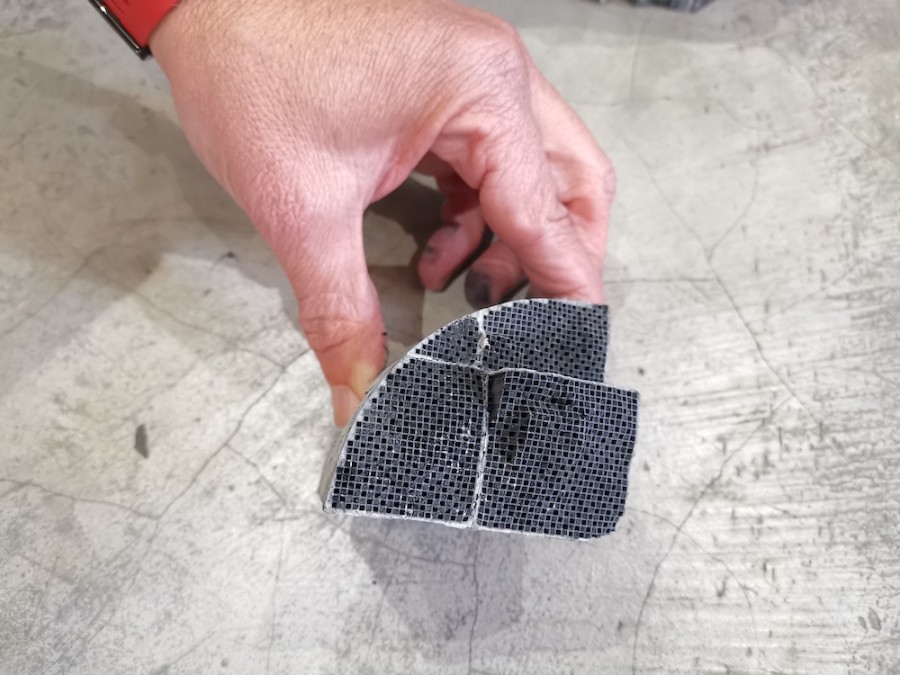
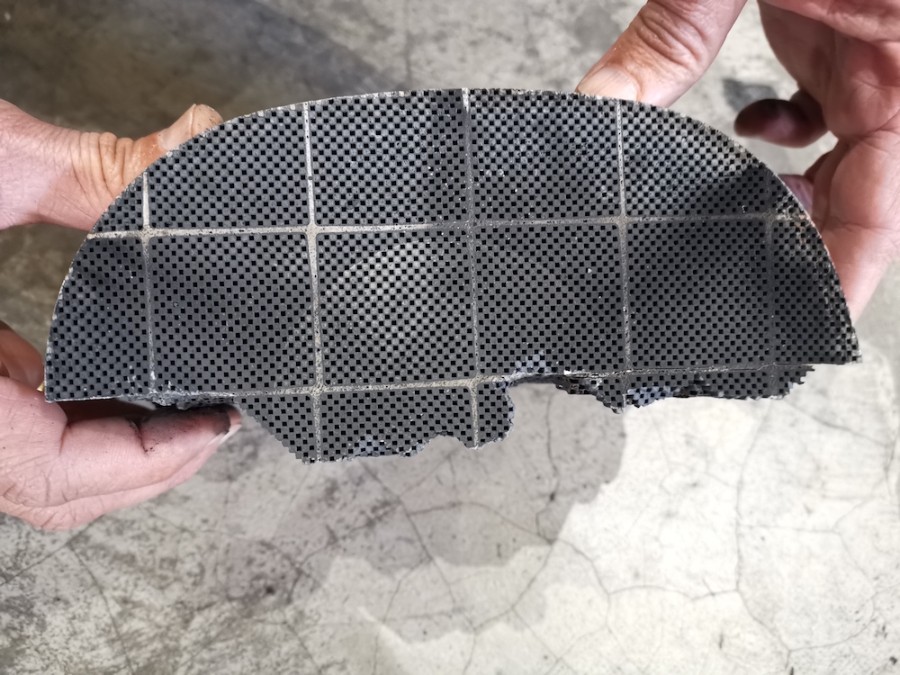
The DPF has a complex ceramic honeycomb design structure which creates a massive surface area close to the size of a rugby field when laid out. This is contained in a cylinder which is roughly 20cm x 15cm (size varies). The ceramic surface is typically enhanced by the use of precious metals such as platinum, palladium and rhodium. These help to oxidise pollutants which reduce poisonous emissions. As the exhaust gases flow across the surface area the soot and the undesirable components are trapped.

Although this honeycomb design does the job effectively it unfortunately starts getting blocked up by the soot. Ideally, when the driver follows the manufacturer guidelines, the soot is burnt off in what is called DPF Regeneration.

Herein Lies The Problem With Diesel Vehicles!

Most urban drivers travel short trips at low speeds all the time. The typical trips are to:

  • drop and fetch the children from school
  • go to the shops
  • go to work
  • visit friends and family
  • travel in stop/start traffic most of the time

The other issues which make the problem so much worse are:

  • not servicing the car regularly
  • using the incorrect oils which contain additives which cause clogging
  • using low quality diesel fuel
  • regularly running the tank with low fuel
  • ignoring DPF warning lights

In these cases, the DPF never gets a chance to regenerate.

This results in the DPF clogging up prematurely which can lead to catastrophic failure.

How Do You Know If The DPF is Blocked Or Not

The following warning signs indicate your DPF is getting seriously blocked:Part of a Diesel Particulate Filter (DPF) showing soot blockage of the honeycomb channels

  • the engine seems low on power
  • the car won’t rev up
  • excessive black smoke from the exhaust
  • much higher fuel consumption
  • and finally, the warning light illuminates on the dash

If any of these warnings start happening – Contact GP Motor Works immediately!

How To Avoid Your DPF From Failing

So the very important question is – how do you maintain your DPF?

It is crucial to understand the DPF absolutely has to clean-out the soot which has built up in the honeycomb structure! There are two ways you can help to effectively maintain your car’s DPF and extend it’s lifespan. Both involve getting the regeneration process to work as it’s designed to do:

 Passive regeneration

Frequently get out onto your nearest highway and drive consistently at the speed limit for 30-50 minutes. This means choosing a time when the highway is not busy as stop/start travelling defeats the object. This process causes the exhaust temperature to run at a higher level for an extended period. When these conditions are met – those catalyst precious metals we talked about, oxidise the soot and contaminants and the remaining CO2 leaves via the exhaust.

It is important to note this passive regen occurs naturally as long as the engine is put under consistent heavy load and higher temperatures (above 315 degrees C) for extended runs.

Active regeneration

The truth of the matter is most drivers of diesel cars simply don’t adhere to the manufacturer’s guide on how to passively regenerate the DPF.

Fortunately, active regeneration is automatically started when the soot levels reach a set limit as determined by the vehicle’s ECU. Basically, extra fuel is injected into the exhaust which raises the temperature to around 600 degrees C. This intense heat actively burns the excess soot which opens up the channels in the honeycomb structure.

The success of this process is totally dependant on ensuring the journey is long enough as well as keeping the speed above 90 km/hr.

Active regeneration is taking place when you notice the following:

  • There is a change in the engine sound
  • Increase in fuel usage
  • Idle speed faster than usual
  • Cooling fans running continuously
  • Automatic stop/start is temporarily deactivated

Forced Regeneration

This is normally required when the soot levels reach around 70% and the active regeneration measures have not been fulfilled. This requires you to urgently book your car in at GP Motor Works.

We will connect a diagnostic machine and initiate the forced regeneration.

It is vital to understand that above 85% blockage the DPF system can no longer be regenerated. The unit will have to be removed and replaced. Even using a cleaning additive at this stage is unlikely to help.

Damage Caused By DPF Becoming Severely Blocked

We have written a number of real-life examples showing what happens when the DPF becomes completely blocked. This is not a trivial matter as the damage to the DPF itself as well as the connected systems can be extensive.

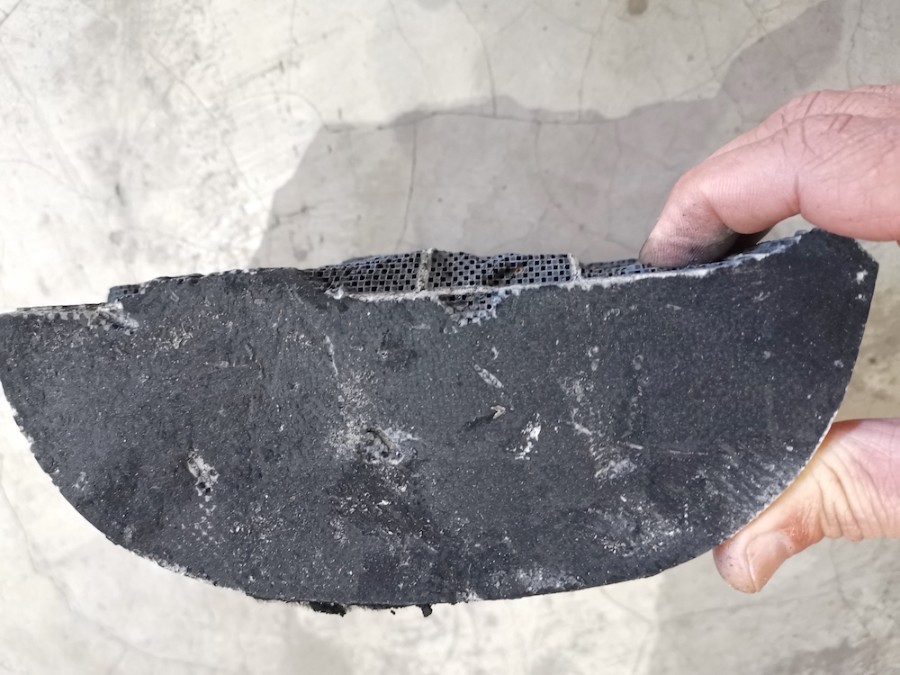
Basically, the exhaust gases are blocked from exiting the exhaust. This creates back pressure which damages the turbo/s chargers, cylinder head gasket and the engine. In many instances, the car may not start at all and will have to be towed in.

Our Advice To Prevent DPF Failure

There are a number of things drivers can actively do to ensure they get the best out of the DPF:

  • Take frequent trips on the highway when there is little traffic (avoid stop/start)
  • Use the correct oil and don’t miss the scheduled oil change intervals
  • Use premium diesel fuel
  • Don’t ignore the DPF warning light

If you are unsure about any of this please get in touch with us immediately.
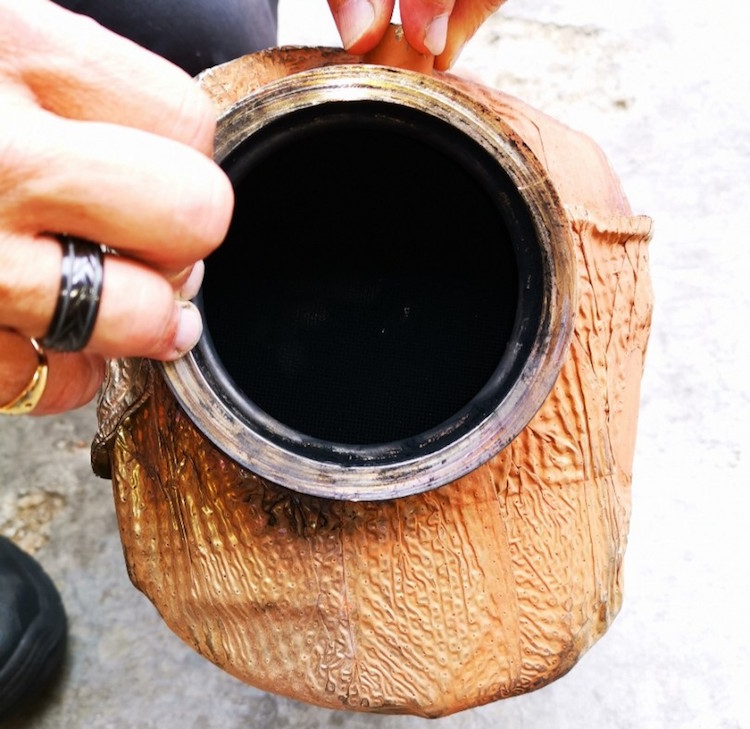
BMW X5 M5.0d F15 Diesel Particulate Filter (DPF) completely blocked by soot and contaminants
Part of a Diesel Particulate Filter (DPF) showing soot blockage of the honeycomb channels

Part of a Diesel Particulate Filter (DPF) which is completely blocked up with soot and contaminants
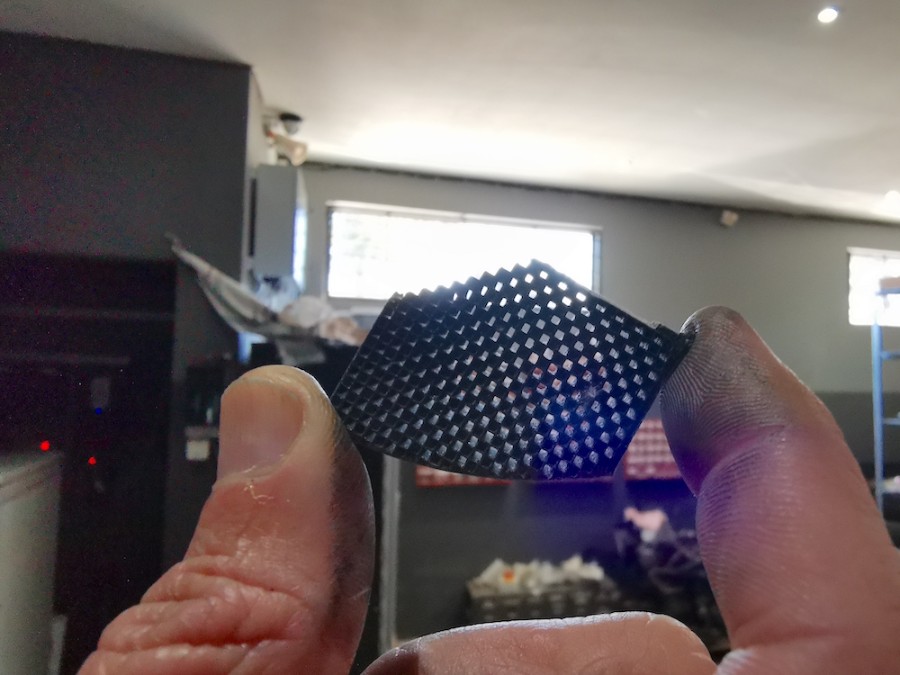
Part of a Diesel Particulate Filter (DPF) showing the honeycomb channels free of soot buildup
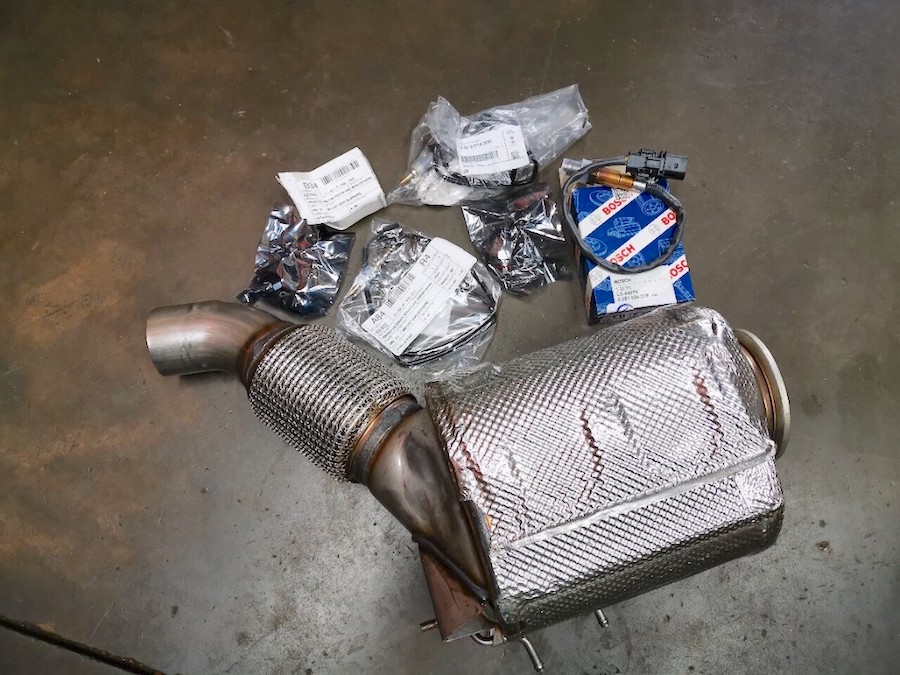
BMW X5 M5.0d F15 brand new Diesel Particulate Filter (DPF) with the associated parts

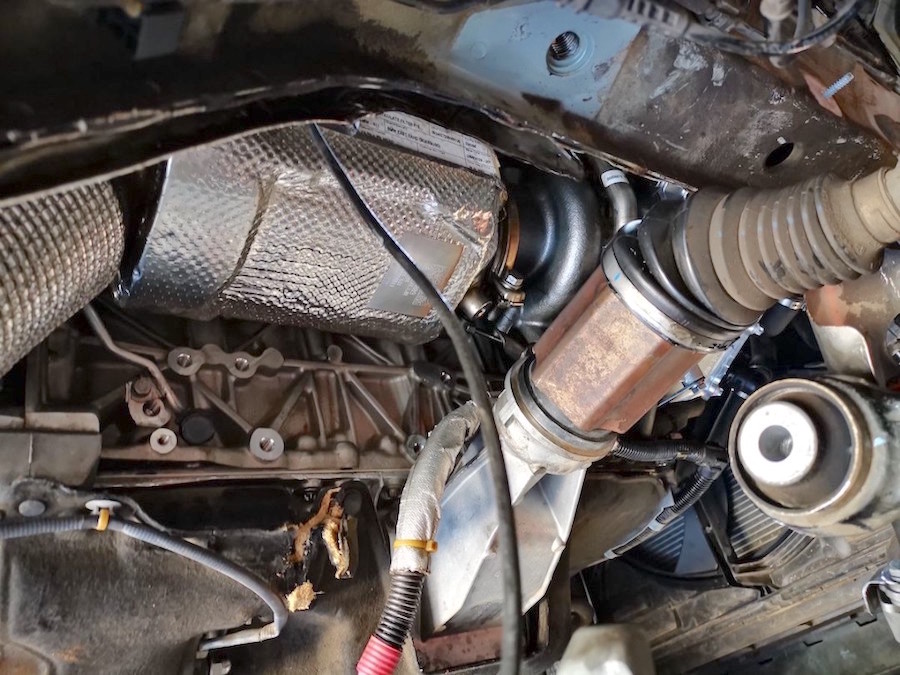
New Diesel Particulate Filter (DPF) fitted to a BMW X5 F15 M50d as well as Turbos reconditioned

  • Terms and Conditions
  • Privacy

Copyright © 2026 · Genesis Sample On Genesis Framework · WordPress · Log in